
Kiribati: Compost & cabbages combat climate change
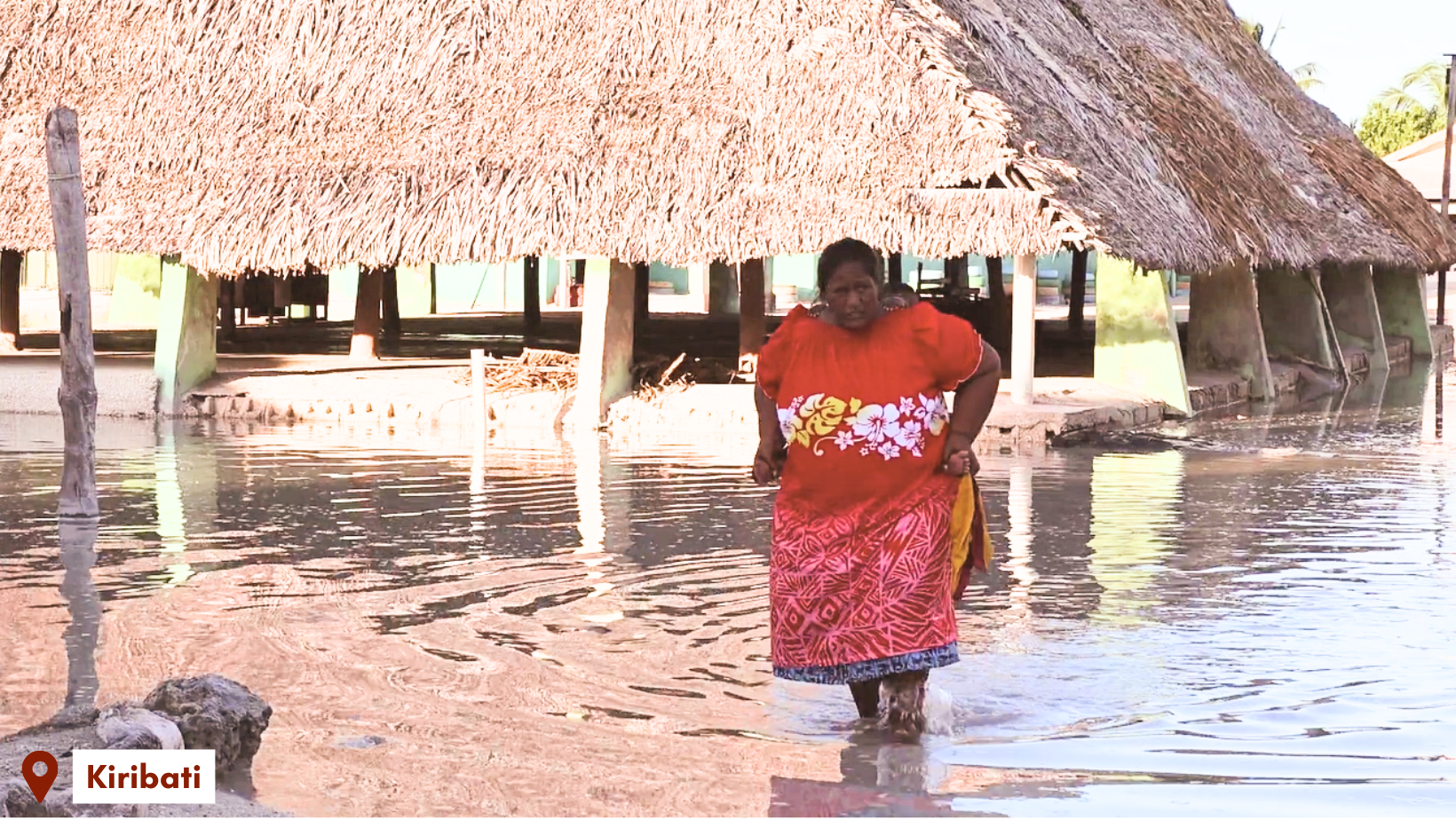
Image: Damian Kean/Caritas Aotearoa New Zealand
by Damian Kean
For many people in the low-lying atoll nation of Kiribati, climate change and rising sea levels are no longer a future threat. They are a daily reality.
Across Kiribati, high tides regularly push seawater into villages, contaminating freshwater wells and degrading already fragile soils, making agriculture increasingly challenging.
As a result, fresh fruit and vegetables can be scarce and expensive. A locally grown papaya can cost as much as $AUD 15.00, quite a stretch in a country where average daily income is just $12. For many households, nutritious food is out of reach, leading to an overreliance on less healthy imports.
But in one South Tarawa community, a cabbage patch is helping change that.
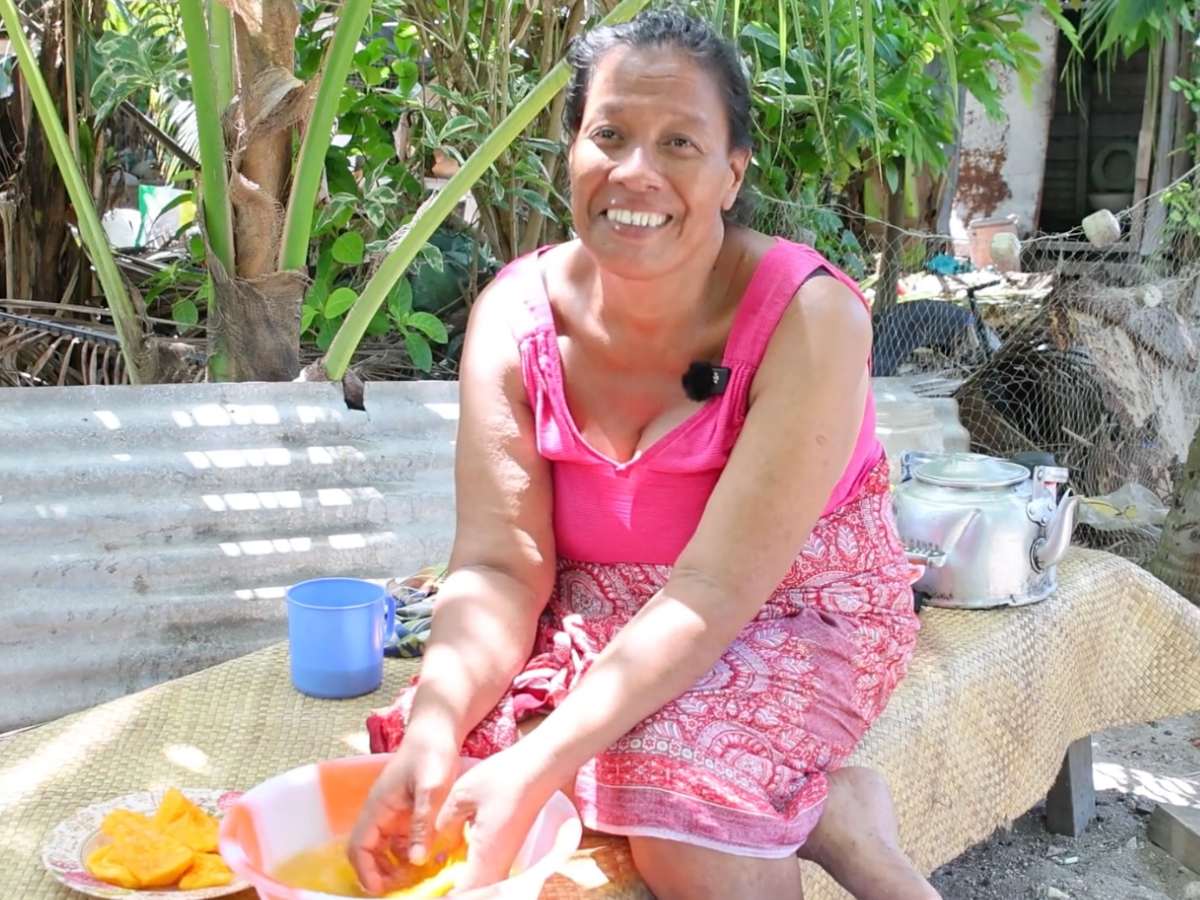
Terooti of Kiribati
Image: Damian Kean/Caritas Aotearoa New Zealand
Raised beds and composting
Terooti has been working with a Caritas-supported gardening programme since 2017. Before receiving training, she grew only a limited range of crops and relied heavily on produce sold at local markets.
"I saw in the market that cucumber and cabbage were very, very expensive," she says. "Most of the people, it's very hard for them to get the vegetables because it's very expensive from the market."
Through training provided by Caritas and local partners, Terooti learned practical techniques for growing food in challenging conditions using raised beds. She improved the sandy local soil with compost, experimented with different crops and is now the proud owner of a very productive garden, growing eggplant, cucumber, cabbage, beans and other vegetables on land that once produced far less.
The changes have made a significant difference to her family's wellbeing.
Growing food at home has also reduced household expenses. Money that would previously have been spent on vegetables can now be used for other essentials, including school costs.
"Now we always eat vegetables," she says. “We feel comfortable and feel free because we always have food from our garden."
The benefits extend beyond a single household. When neighbours need vegetables, Terooti shares what she can. Surplus produce can be sold, creating an additional source of income, while gardening knowledge is passed on throughout the community.
Battling climate change across the region
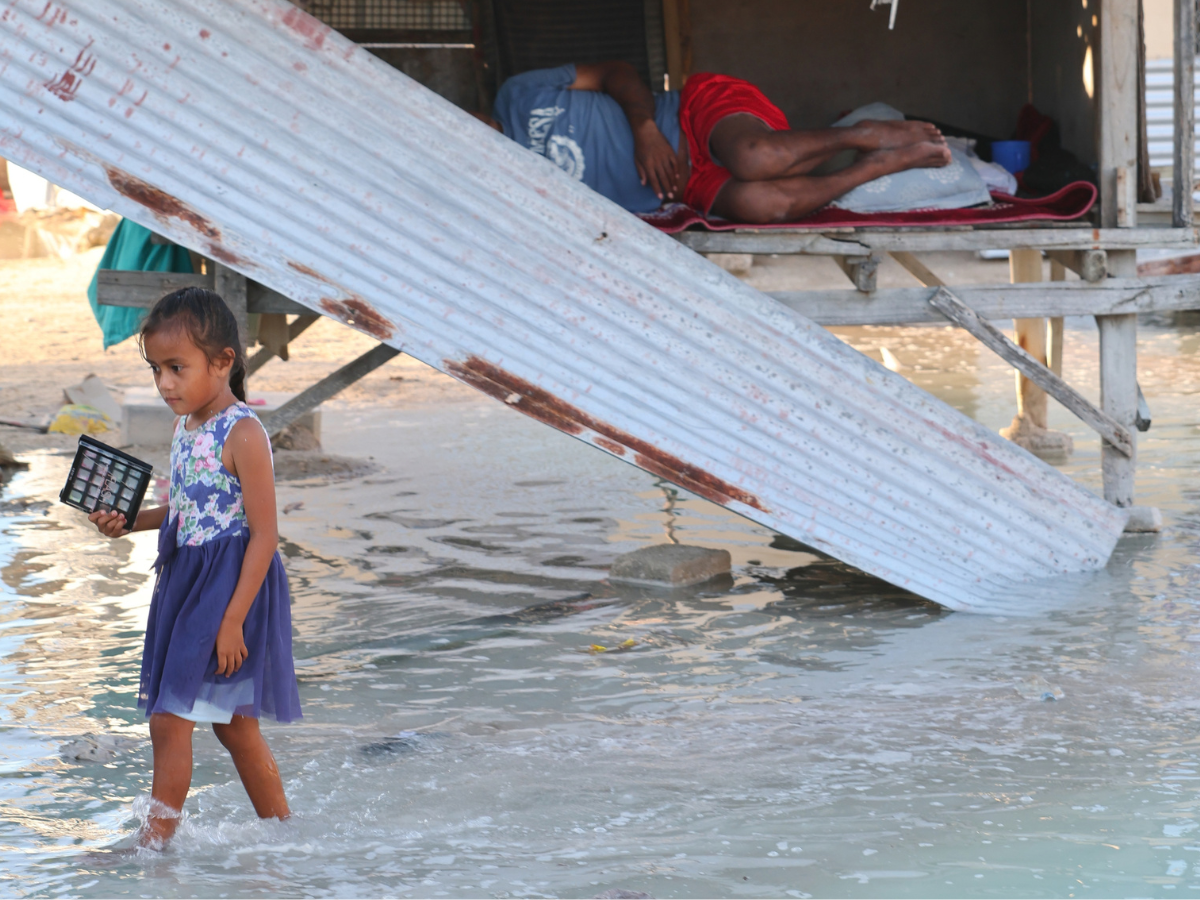
Image: Damian Kean/Caritas Aotearoa New Zealand
In places like Kiribati across the Pacific and Southeast Asia, Caritas is helping dozens of communities to build resilience, as the impacts of climate change become more severe. By improving food security, nutrition and local food production, families are better equipped to adapt to changing environmental conditions while reducing their reliance on costly imported food.
Through a partnership with New Zealand's Ministry of Foreign Affairs and Trade, every dollar donated to the Caritas Spring Appeal will be matched, meaning each dollar given will have four times the impact.
A donation of $25 becomes $100. A gift of $50 becomes $200. A contribution of $100 becomes $400.
To help more families grow nutritious food, strengthen their resilience and adapt to a changing climate, donate today. You compassion will change lives in places like Kiribati, and wherever the need is greatest.