
STATEMENT: For All Women and Girls: Dignity, Justice and Action
The following is a statement from Caritas Internationalis on the occasion of International Women’s Day 2026.
7 March 2026 - ROME - On this International Women’s Day, we join the global call for advancing equality, protecting human dignity, and ensuring safety and justice for all women and girls — not as ideals, but as lived realities.
The Universal Declaration of Human Rights states: “All are equal before the law and are entitled without any discrimination to equal protection of the law.” (Article 7) echoing the creation account in the book of Genesis1:27 which tell us: “God created mankind in his own image, in the image of God he created them; male and female he created them.”
Yet in 2026, women worldwide hold only 64 per cent of the legal rights that men enjoy, according to United Nations Secretary-General’s report, “Ensuring and Strengthening Access to Justice for All Women and Girls”.
At the current pace, closing this gap would take 286 years. This will not do.
For Caritas, equality between women and men is rooted in the belief that every person is created in the image and likeness of God. Human dignity is universal and indivisible.
When the dignity of women and girls is ignored, or when social, cultural or economic barriers prevent them from fully realising their vocation, talents and participation in society, our shared humanity is diminished.
Upholding their dignity and fostering their empowerment, leadership and equal participation in the pursuit of the common good are essential for the flourishing of the entire human family.
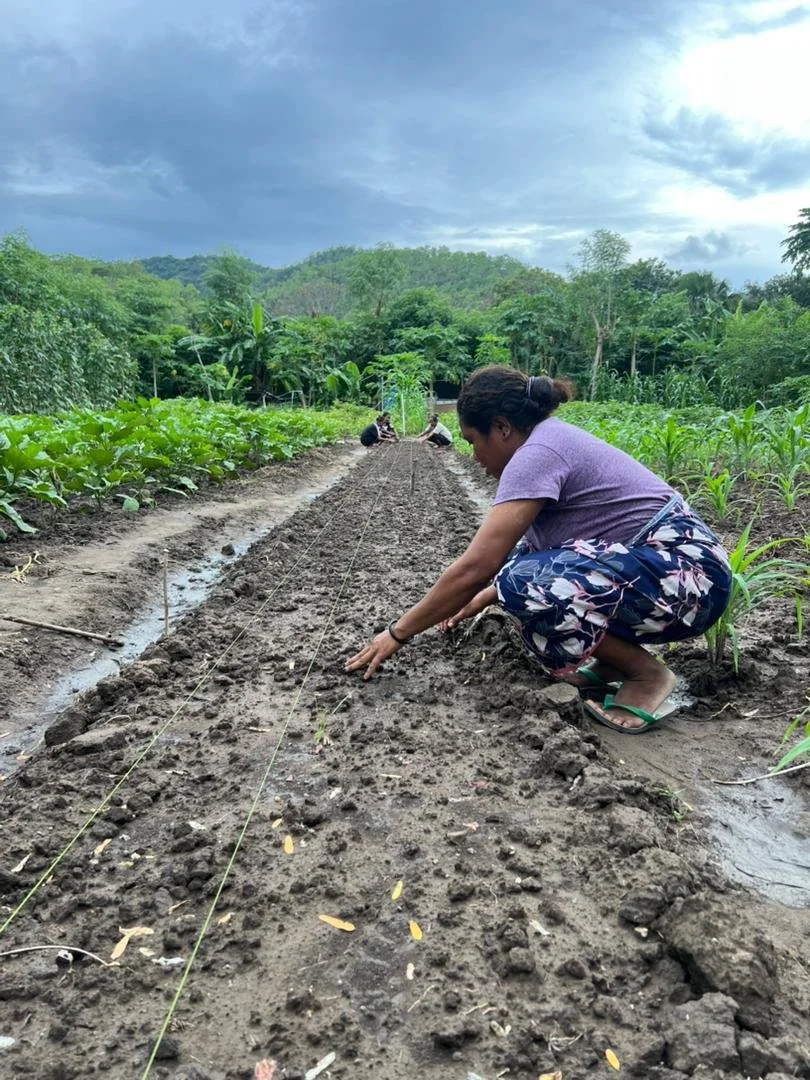
In Timor-Leste and across the Pacific and Southeast Asia, Caritas is supporting women like Natalia, who have improved their income with training in farming and business management. Find out more.
Credit: HAFOTI
Women’s equality, participation and leadership
The humanitarian and development sector is facing significant financial cuts. But the protection of human dignity and promotion of women’s equality and leadership cannot be sidelined.
Women must never be reduced to passive recipients of aid. They lead families, strengthen communities, resolve conflicts, and build resilience.
Recognising, supporting and investing in women’s leadership – both in communities and our own structures – is essential for authentic and integral human development, human flourishing and for lasting change.
As Pope Leo XIV writes in Dilexi Te, “doubly poor are those women who endure situations of exclusion, mistreatment and violence.”
Women are often most affected by poverty, injustice and inequality, yet they demonstrate extraordinary courage and leadership every day.
Caritas reaffirms its commitment to keep women’s full participation, inclusion and empowerment central in all our work – our policies, programmes, governance, and advocacy – even in times of financial constraint. Equality and dignity are not subject to budget cycles. Justice is not optional.
“Women are not only at the heart of our communities, but they are also at the forefront of transformation. Even in a time of shrinking resources, Caritas remains steadfast in its commitment to increasing women’s leadership, locally and globally. Equality is not an aspiration we defer when budgets tighten, it is a principle we uphold because resilient communities are built when women and men both lead, participate fully, shaping the decisions that affect their lives.” – Mena Antonio, Vice President, Caritas Internationalis
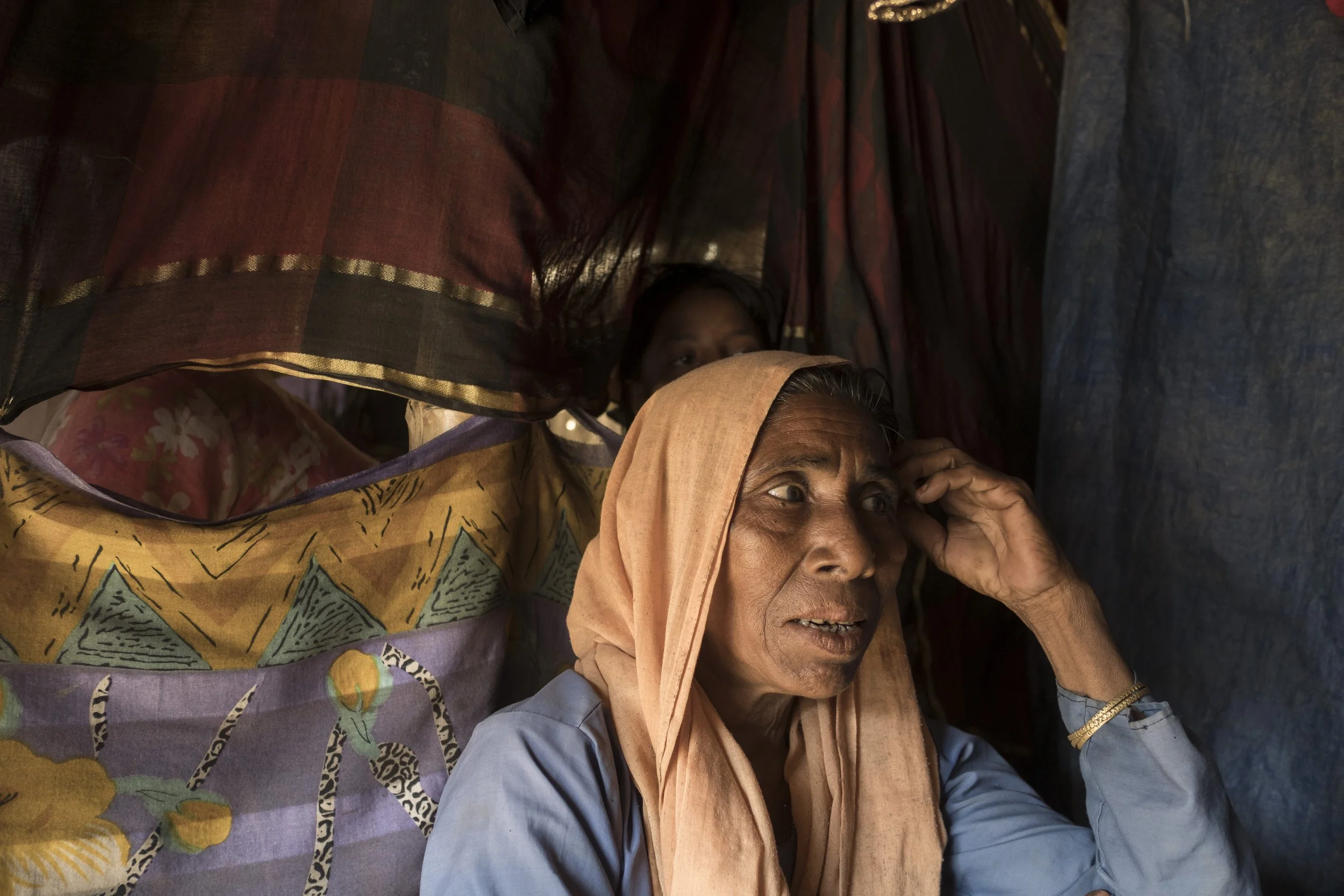
In Cox’s Bazar, Bangladesh, Caritas supports Rohingya women escaping violence in Myanmar. Find out more.
Credit: CRS
Protecting women and girls in times of crisis
Today’s world is suffering many overlapping crises: widespread conflict, forced displacement, climate shocks, food insecurity, and economic instability.
These crises hit women and girls hardest. When systems break down, the risks of violence, exploitation, trafficking and exclusion increase. Access to food, water, basic health care, education, and dignified livelihoods becomes more fragile. Legal protections often weaken when they are needed most.
Protection must therefore remain central to humanitarian action. Safeguarding women and girls and ensuring access to dignified and sustainable livelihoods are fundamental, not optional.
“In war and conflict, women and girls often suffer worst, being forced to flee their homes and communities for their lives, often subject to malicious physical and sexual abuse, abandoned to care for their children, with the most severe attacks on their most basic rights. Caritas’ commitment is clear: keeping people safe is obligatory. We must ensure that the safety, dignity, and the agency of women and girls are fundamental to all our humanitarian responses. We must strive to ensure everyone we serve is protected, free from exploitation and abuse, and have livelihoods and opportunities that allow them to rebuild their lives with dignity, hope and resilience.” – Alistair Dutton, Secretary General, Caritas Internationalis
In more than 200 countries and territories, Caritas works with communities suffering disasters and poverty. Initiatives such as Women Weavers of Hope show that women are not only survivors of crises, but builders of peace, reconciliation and renewal.
From words to action
This International Women’s Day calls for concrete steps to:
Ensure the fundamental rights and integral development of women and girls in law and practice.
Promote meaningful participation and leadership of women at all levels of society.
Ensure humanitarian action prioritises the protection and safeguarding of women and girls, equitable access to dignified livelihoods and economic inclusion.
Ensure women are equitably involved in decisions that affect them
Action to ensure justice and equality is a moral imperative grounded in the inviolable dignity and intrinsic worth of every human person and contributes to the common good.
Caritas renews its commitment to stand with women and girls everywhere, especially those most affected by poverty, crisis, and exclusion, and to work for a world where equality is not only promised but realised, and in which their God-given dignity is recognised, protected, and allowed to flourish, both in law and in practice.
Read the full Caritas Internationalis statement.